

Verifying Builder Reputation: A Prudent Step Before Property Investment
Choosing the right builder is paramount for a successful property investment, as it significantly impacts quality, safety, timely completion, and ultimately, your financial security. Due diligence in evaluating a builder's reputation and credibility can help you avoid costly mistakes and identify promising opportunities that others might overlook. Here are the crucial steps to ensure you choose a reliable and credible builder:
1. RERA Registration: The Foundational Check
- Mandatory Registration: In India, all legitimate builders must be registered under RERA (Real Estate Regulatory Authority) for projects exceeding 500 square meters or having more than 8 apartments.
- Verification: Confirm the registration by visiting the official State RERA website rather than relying solely on marketing materials.
- Comprehensive Information: RERA databases provide project timelines, specifications, financial details, and any regulatory actions against the builder.
- Red Flags: Check for any RERA violations, penalties, or regulatory actions, which may indicate poor compliance or ethical issues. Builders with a clean regulatory record demonstrate professionalism and reliability.
2. Track Record Analysis: Past Performance Indicators
- Visit Completed Projects: Personally inspect completed projects to assess the actual construction quality, timely delivery, and post-completion management standards. Talking to current residents can provide unfiltered feedback about their ownership experience and the builder's responsiveness.
- Analyze Timelines: Evaluate completion timelines across multiple projects to identify patterns of delays or consistent on-time delivery. Reliable builders maintain consistent performance, even in challenging market conditions.
- Assess Quality Standards: Examine the quality of fixtures, finishes, common area maintenance, and overall construction against the original specifications in completed projects.
3. Financial Stability Assessment
- Listed Builders: Review audited financial statements of publicly listed builders to assess their revenue, profitability, debt levels, and cash flow patterns, which indicate their ability to complete projects without financial distress.
- Private Builders: For private builders, conduct thorough investigations through industry contacts, banking relationships, and project funding sources. Financial instability can lead to construction delays or quality compromises.
- Credit Ratings: Look for credit ratings from reputable agencies like CRISIL or ICRA, which offer an independent assessment of a builder's financial strength and business viability.
4. Professional Associations and Certifications
- Industry Memberships: Membership in organizations like CREDAI (Confederation of Real Estate Developers' Associations of India) and NAREDCO (National Real Estate Development Council) indicates adherence to industry best practices and ethical standards.
- Certifications: ISO certifications, particularly ISO 9001:2008 for quality management systems, demonstrate structured processes and a commitment to consistent quality delivery. Other certifications like Certified Property Manager can further indicate a builder's commitment to quality.
5. Legal and Compliance Verification
- Project Approvals: Verify that all project approvals, including building permits, environmental clearances, and utility connections, have been obtained before construction begins.
- Litigation and Disputes: Check for any pending litigation, disputes, or legal issues involving the builder that might affect project delivery or buyer interests.
- Title Verification: Ensure the builder has a clear and marketable title to the project land, free from encumbrances or disputes that could impact development rights.
6. Customer Feedback and Market Reputation
- Online Reviews: Consult online reviews and platforms like 99acres, Magicbricks, and Housing.com for buyer experiences across multiple projects, revealing patterns of satisfaction or areas of complaint.
- Industry Awards: Industry awards and recognition from reputable organizations validate a builder's performance and standing within the professional community.
- Media Coverage: Analyze media coverage for any negative publicity, financial issues, or regulatory problems that might not appear in official documentation.
7. On-Site Assessment
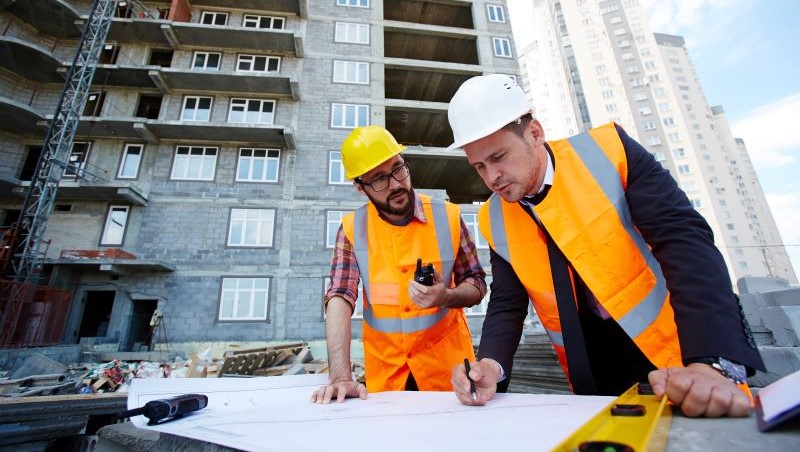
- Active Construction Sites: Visit active construction sites to evaluate project management, safety standards, material quality, and progress against published timelines. Well-managed sites indicate professional execution capabilities.
- Site Staff Interaction: Engage with site staff and supervisors to gauge management quality, technical competence, and responsiveness to issues during construction.
- Material Suppliers and Contractors: Seek insights from material suppliers and contractors working with the builder regarding payment practices, professional relationships, and business conduct.
8. Banking Relationships and Funding
- Strong Relationships: Builders with strong banking relationships and institutional funding demonstrate financial credibility and professional management.
- Home Loan Pre-approvals: Home loan pre-approvals from major banks for a builder's projects indicate institutional confidence in the project's viability and completion prospects.
9. Post-Sales Service Evaluation
- Existing Customer Feedback: Contact existing customers to understand the quality of post-possession service, warranty claim handling, and ongoing support for maintenance and repair issues.
- Customer Service Teams: Builders with dedicated customer service teams and systematic warranty programs demonstrate commitment to long-term buyer relationships beyond just sales completion.
- Society Management: Evaluate the quality of society management in completed projects to gauge the builder's approach to long-term asset management and resident satisfaction.
10. Geographic and Sector Focus
- Local Expertise: Builders specializing in specific geographic areas often possess better local relationships, regulatory knowledge, and execution capabilities compared to those operating broadly.
- Sector Expertise: Expertise in specific property types (luxury residential, commercial, affordable housing) demonstrates in-depth knowledge and proven capabilities in relevant market segments.
11. Warning Signs to Avoid
- Delayed Projects: Be wary of builders with multiple delayed projects, frequent specification changes, or a history of disputes with buyers.
- Unrealistic commitments: Exercise caution with builders offering unrealistically low pricing, overly optimistic timeline promises, or specification commitments that seem too good to be true compared to market standards.
- Financial Stress/Regulatory Action: Avoid builders facing financial stress, regulatory action, or a poor market reputation, as these present significant risks regardless of attractive project presentations.
12. Verification Resources and Tools
- MCA Database: The MCA (Ministry of Corporate Affairs) database provides company registration details, financial filings, and director information for incorporated builders.
- ROC Records: ROC (Registrar of Companies) records show compliance history, annual filings, and any regulatory issues affecting builder operations.
- Professional Networks: Engage with professional networks, including real estate brokers, architects, and contractors, for valuable industry insights into a builder's reputation and capabilities.
13. Due Diligence Timeline
- Allocate Ample Time: Allow adequate time for thorough verification before making any investment commitments. Rushed decisions can lead to overlooking critical issues and costly problems later on.
- Professional Assistance: Engage qualified professionals such as lawyers, chartered accountants, and real estate consultants for a comprehensive builder assessment, especially for significant investments.
14. International and NRI Considerations
- NRI Buyers: Non-resident Indian (NRI) buyers should be particularly vigilant about builder reputation, as distance can make ongoing project monitoring difficult. Established builders with a proven track record of NRI-friendly services can help reduce investment risks.
- International Partnerships/Certifications: Builders with international partnerships or certifications often maintain higher standards to protect global relationships and reputation.
By diligently following these steps and leveraging the available resources, you can significantly mitigate risks and make a more informed and confident decision when choosing a builder and investing in property.